
A retreat can lose momentum before the first session begins. Long transfers, slow internet, generic meeting rooms, and a dinner that feels like an obligation all work against the purpose of bringing people together. The best corporate retreat hotel examples solve those practical issues while giving teams a setting that feels genuinely different from the office.
For companies meeting in Costa Rica, San José offers an especially useful balance: international access, urban convenience, green spaces, and a strong sense of place. The right hotel is not simply where everyone sleeps. It becomes the home base for productive conversation, restorative downtime, and the small moments that help colleagues connect.
What Strong Corporate Retreat Hotel Examples Have in Common
A corporate retreat needs more than a large room with a projector. Leaders and planners should look for a hotel that supports the full rhythm of the program: focused work in the morning, smooth breaks, comfortable accommodations, informal conversation, and a relaxed evening meal.
Location matters first. A hotel close to business districts and central San José reduces the time guests spend in traffic, especially when attendees are flying in for a short program. At the same time, proximity to a green space such as La Sabana Metropolitan Park gives participants an easy change of scenery between sessions without adding complicated transportation logistics.
The next consideration is service. Retreat schedules evolve. A discussion may run long, a guest may arrive late, or a team may need a quieter corner for an unscheduled conversation. Independent hotels can be particularly valuable here because a responsive team can adjust details with personal attention instead of routing every request through a rigid corporate process.
Finally, the best retreat hotels make local culture part of the experience without turning it into a performance. Costa Rican flavors at dinner, thoughtful recommendations for nearby activities, and a welcoming staff create a stronger memory than a standard meeting package ever could.
Five Corporate Retreat Hotel Examples to Consider
1. The urban hotel for a strategy retreat
This format works well for executive teams, department leaders, and regional groups with a full agenda and limited time. The hotel should be centrally located, offer dependable high-speed WiFi, and provide flexible space for a main meeting plus smaller breakout conversations.
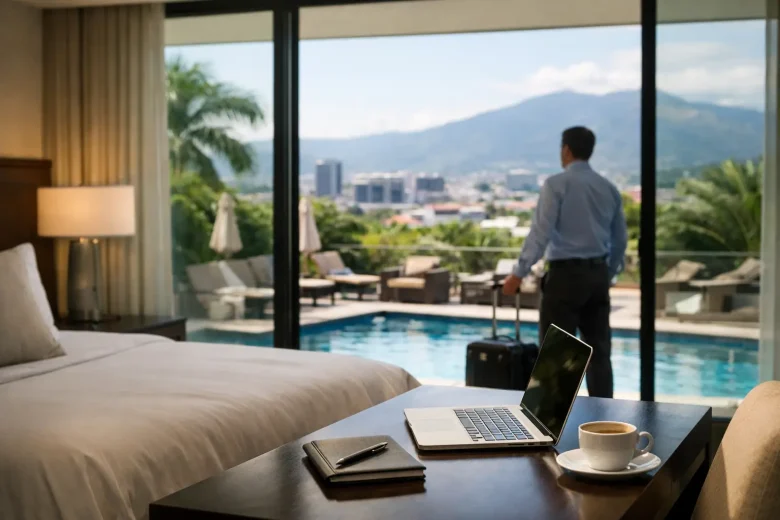
An urban retreat does not need to feel enclosed. Look for natural light, outdoor areas, gardens, or a poolside setting that makes breaks feel restorative. In San José, a location near La Sabana allows guests to remain close to offices, restaurants, and cultural attractions while still stepping into a calmer environment after a concentrated working session.
This is often the right choice when productivity is the primary goal. The trade-off is that an urban property may not deliver the isolation of a mountain lodge, so the agenda should deliberately protect time away from routine work messages and calls.
2. The boutique hotel for leadership connection
A smaller, character-led hotel is a strong fit for groups that need trust, candid conversation, and meaningful interaction. Think leadership off-sites, board planning sessions, creative workshops, or recognition trips for a high-performing team.
The advantage is atmosphere. When the team sees the same attentive hosts at breakfast, receives thoughtful help arranging transportation, and gathers around a table where the food feels personal, the retreat begins to feel less transactional. That can encourage the kind of open discussion that larger, more formal venues sometimes inhibit.
For this example, ask about room categories as well as meeting space. A mix of standard rooms, deluxe accommodations, and junior suites gives planners options for executives, speakers, and longer-stay guests while keeping the group together under one roof.
3. The hotel with a restaurant built into the program
Meals are not filler between meetings. They are where people continue an idea, meet a colleague outside their usual department, or simply relax enough to return to the next session with more energy. A hotel with an on-site restaurant can make those moments easier to plan and more enjoyable to experience.
The ideal setup offers enough variety for working lunches, a polished hosted dinner, and lighter informal options. International cuisine is useful for diverse teams, but local Costa Rican dishes and signature cocktails can give the gathering a clear sense of destination. Dietary needs should be discussed early, particularly for groups that include international attendees or a mix of dietary preferences.
This model is especially effective for a one- or two-night retreat. Keeping meals on property saves time and lets the organizer control the pace. For longer programs, plan at least one meal or cultural outing elsewhere in the city so attendees get to experience San José beyond the hotel.
4. The flexible event hotel for mixed-format groups
Some retreats are not solely retreats. They may combine annual planning, training, a client presentation, a formal dinner, or an awards moment. In that case, choose a property with event spaces that can shift from classroom-style work to a reception or gala without asking participants to relocate across town.
Flexibility should mean more than room capacity. Confirm whether the team can support different seating layouts, coffee breaks, audiovisual requirements, registration tables, and a private dinner. Ask how the hotel handles schedule changes and whether one point of contact will coordinate accommodations, food and beverage, and event details.
At Auténtico Hotel, this kind of personalized planning is part of the value of an independent property. A corporate group can pair centrally located accommodations with adaptable meeting and event areas, then finish the day with the warmth of Mastico Restaurant rather than a standard banquet-room experience.
5. The comfortable base for a work-and-explore retreat
A retreat does not have to fill every hour with presentations. Teams that are visiting Costa Rica may benefit from a program that leaves room for a morning walk in the park, a museum visit, local dining, or a guided introduction to the city. The hotel becomes the dependable base that makes exploration feel easy rather than uncertain.
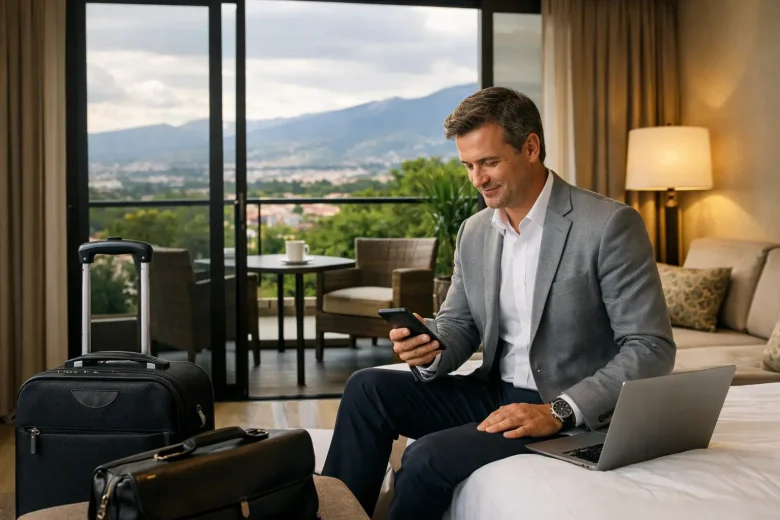
For this format, practical comforts are essential: secure parking for local attendees, breakfast included to simplify mornings, reliable connectivity for urgent work, and assistance arranging airport transportation for an additional fee. A 24-hour assistance team also gives planners confidence when arrivals are staggered or participants need local guidance.
This approach is ideal for companies rewarding a team or hosting colleagues from several markets. It does require clear expectations. If the retreat includes optional outings, communicate which activities are hosted, what transportation is included, and how much free time guests will have. A well-planned open afternoon feels generous. An unstructured day can feel like a scheduling gap.
Questions to Ask Before You Book
Before confirming a venue, ask the hotel how it will support your exact group rather than relying on a standard package description. Start with meeting-room capacity and layout, then move to sleeping-room availability, internet speed, food service timing, transportation coordination, parking, and contingency plans for weather or last-minute changes.
It also helps to picture the attendee journey. Where will guests check in? Can they settle in before the first session? Is there a comfortable place to take a private call? What happens after dinner? These details are easy to overlook, yet they shape whether participants feel cared for throughout the program.
Budget deserves the same honesty. A lower room rate can become less attractive if the venue requires off-site meals, separate transportation, or outside audiovisual support. Conversely, a hotel with a slightly higher nightly rate may offer better overall value when breakfast, parking, meeting assistance, and on-site dining reduce extra costs and planning time.
Build the Retreat Around Real Human Energy
The most effective corporate retreat is not the one with the busiest agenda. It is the one that gives people enough structure to do meaningful work and enough comfort to be present with one another. Choose a hotel where logistics feel handled, local character feels natural, and every guest has room to arrive, contribute, and leave with a clearer connection to the team.
 English
  Spanish
  French