A memorable gala rarely comes down to one dramatic centerpiece or a crowded program. The strongest hotel gala examples feel thoughtful from the first greeting to the final goodbye: guests know where to go, the room has a point of view, dinner arrives at the right pace, and conversation has room to happen. For corporate planners in San José, that combination turns a formal evening into an occasion people genuinely remember.
A hotel setting offers a practical advantage. Accommodations, dining, event coordination, parking, and guest support can work together in one place. Still, no two galas should look alike. A leadership recognition dinner needs a different rhythm than a year-end celebration, nonprofit fundraiser, or client appreciation event. The following concepts provide a useful starting point, with the details that make each one feel personal rather than prepackaged.
10 hotel gala examples for meaningful celebrations
1. The Costa Rican welcome gala
Set the tone before guests enter the main event space. A welcome moment with signature cocktails, Costa Rican flavors, and a short introduction from the host creates an immediate sense of place. Keep the design refined rather than overly themed: natural greenery, warm lighting, and small cultural details can feel much more elegant than decorations trying to say everything at once.
This format works especially well for companies hosting visiting teams or international partners in San José. It gives guests a gracious introduction to the destination while keeping the evening professional. The key is context: explain the story behind a menu element or welcome ritual, rather than treating local culture as a backdrop.
2. The annual awards dinner
An awards gala needs structure, but it should not feel like a long meeting in formalwear. Begin with a reception, move into a seated dinner, then place recognitions between courses or in short, well-paced segments. A clear host, concise award citations, and a visible run of show protect the energy in the room.
For each recipient, favor a specific story over generic praise. A 60-second account of the problem they solved or the people they helped carries more weight than a paragraph of corporate language. Reserve the highest honor for later in the evening, when guests are settled and attentive.
3. The black-tie charity gala
A fundraiser asks guests to be generous, so the experience must earn their confidence. The event should make the cause visible in human terms through a speaker, short film, display, or carefully chosen beneficiary story. Guests need to understand both the purpose of their support and the impact it will have.
Avoid asking for donations repeatedly throughout the night. One focused giving moment, introduced after guests have connected with the mission, is often more effective and more respectful. Add a quiet way to participate for attendees who prefer discretion, and make sure the host thanks every form of contribution.
4. The client appreciation dinner
For a client gala, hospitality is the message. Put relationship-building ahead of presentations, and avoid turning dinner into a sales pitch. A brief welcome from leadership is enough; the rest of the program should leave space for genuine conversation.
Thoughtful table placement matters here. Mix company hosts across the room instead of grouping them together, and consider shared interests, markets, or project history when assigning seats. A comfortable guest experience, including simple arrival guidance and easy parking, communicates the same care as the evening’s menu and décor.
5. The executive milestone celebration
Company anniversaries, major openings, and leadership transitions call for a gala with a narrative. Build the evening around a timeline: where the organization began, the work that shaped it, and what comes next. Archive photographs, a short video, or remarks from long-standing team members can add emotional weight without making the event feel overly nostalgic.
This is a good occasion to recognize both visible leaders and behind-the-scenes contributors. The trade-off is timing. Too many speeches can weaken the momentum, so choose a few voices who can speak with warmth and specificity.
6. The dinner-and-performance gala
Live entertainment can transform the mood of a formal event, but it must serve the gathering rather than compete with it. A brief musical set during the reception, a performance after dinner, or an artist-led finale can provide a natural transition between program segments.
Consider sightlines, sound levels, and the timing of service before confirming entertainment. A powerful act loses its effect if servers must move through the room during the most important moment. The best choice depends on the guest list: a business audience may appreciate a shorter performance and more time to connect, while a celebratory team event may welcome a livelier close.
7. The garden-inspired evening gala
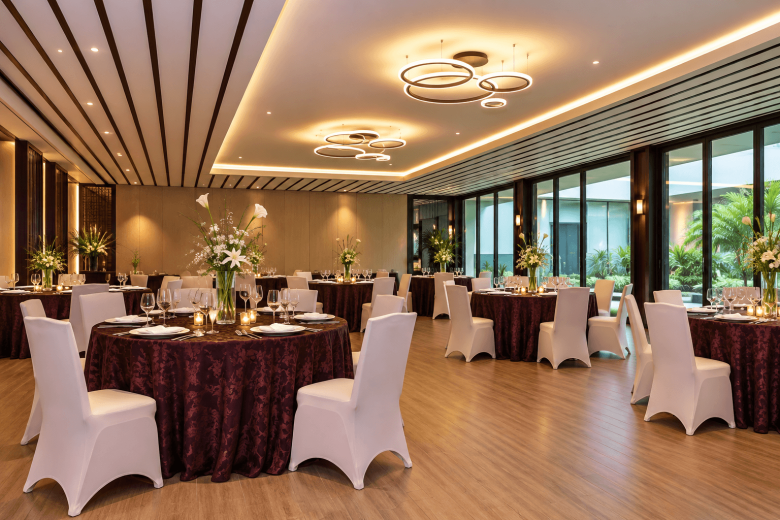
A gala can feel formal without relying entirely on dark colors and ballroom drama. A garden-inspired concept uses foliage, candlelight, textured linens, and warm tones to create a more relaxed kind of elegance. It is particularly fitting for an evening that aims to feel welcoming and human, not distant.
At an urban hotel, this approach can also connect guests to the calm of outdoor spaces without requiring an outdoor event. Coordinate the color palette across florals, menus, and table details, then keep the rest of the room uncluttered. The goal is atmosphere, not excess.
8. The employee recognition gala
An employee gala can be polished and still feel sincerely appreciative. Include a dinner, recognition moments, and a few unexpected touches that reflect the team’s culture. Those may be handwritten notes at place settings, photographs from the year, or messages submitted by colleagues.
Be careful not to create a room divided between award winners and everyone else. Recognize team achievements alongside individual accomplishments, and give every guest a reason to feel included. If employees are traveling from outside San José, holding the celebration at a hotel can also make the evening easier to enjoy without a late drive home.
9. The conference closing gala
After a full day of sessions, guests do not need another conference session. A closing gala should mark a shift in pace with an easy reception, a concise final message, and dinner built around connection. This is the moment to celebrate what participants accomplished, introduce new relationships, and send people home with a sense of momentum.
Keep logistics visible but unobtrusive. Clear signage, a defined reception area, and a realistic schedule matter even more when guests are tired from a packed agenda. For attendees staying on property, the convenience of returning to their room after the celebration is a meaningful part of the experience.
10. The intimate leadership gala
Not every gala needs a large guest list. A smaller dinner for executives, board members, investors, or key partners can be among the most effective formats because every detail is easier to personalize. The menu, seating arrangement, and conversation prompts can all support the purpose of the evening.
This format benefits from restraint. Rather than a full stage program, use a well-prepared host and a few deliberate remarks. Guests should leave feeling they were included in a meaningful conversation, not simply invited to a formal meal.
The details that make a hotel gala work
A strong concept still needs practical coordination. Start with the guest journey: arrival, welcome, reception, dinner, program, departure, and any overnight stay. At each point, ask what a guest needs to know and what might create friction. Clear directions, a staffed welcome point, and a schedule that does not rush dinner solve more problems than elaborate décor ever will.
Food and beverage deserve the same strategic attention as the program. A reception should give early arrivals something to enjoy without filling them up before dinner. For a seated meal, the pacing should allow time for conversation and speeches. Dietary requests should be collected early, handled carefully, and never made to feel like an inconvenience.
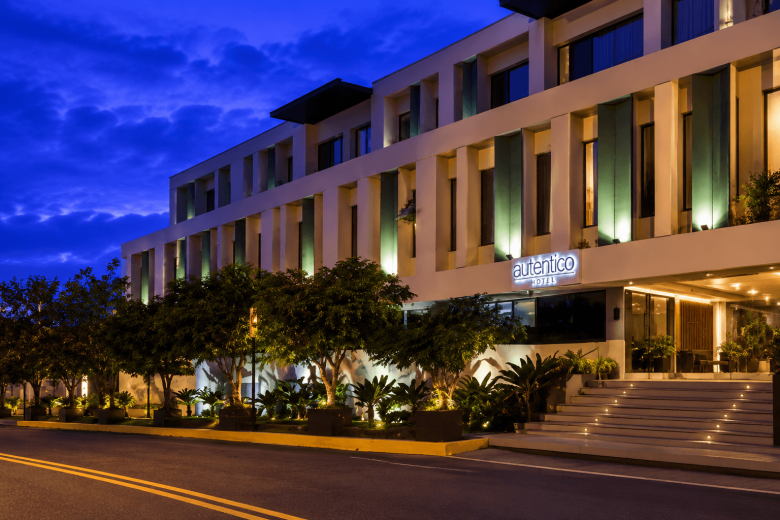
For out-of-town attendees, the hotel experience continues beyond the ballroom. At Auténtico Hotel, organizers can pair an event with comfortable accommodations, included breakfast at Mastico Restaurant, complimentary secure parking, and 500 Mbps symmetrical WiFi throughout the property. Those details help groups feel cared for before the gala begins and after it ends.
Choose the feeling before the theme
The most useful question is not, “What theme should we choose?” It is, “How should guests feel when they leave?” Proud of their team, closer to a cause, welcomed as partners, or energized by what comes next are all clear answers. Once that feeling is defined, the format, food, program, and visual details have a much easier job.
A well-hosted gala is not about making every element bigger. It is about making every element intentional, so guests can relax, connect, and carry the evening with them long after the last table has been cleared.