
San José reveals its character indoors as vividly as it does in its parks and markets. The best museums in San Jose place pre-Columbian gold beside boundary-pushing contemporary art, historic barracks beside a former penitentiary, and hands-on family fun beside thoughtful national stories. They are an easy way to add substance to a business trip, create a memorable afternoon with children, or understand the country beyond its beaches and rainforests.
Most major museums are concentrated in or near downtown, while the Museo de Arte Costarricense sits beside La Sabana Metropolitan Park. Plan for one or two museums in a day rather than trying to rush through every gallery. San José’s museums reward a slower pace, a good lunch nearby, and time to notice the buildings as much as the collections.
10 of the Best Museums in San Jose
1. Museo del Jade y de la Cultura Precolombina
For many visitors, the Jade Museum is the strongest first stop in the capital. Its collection of pre-Columbian jade is among the most important in the world, but the experience is broader than polished green stones in display cases. Ceramic vessels, stone objects, ornaments, and interactive exhibits explain how Costa Rica’s Indigenous communities lived, created, traded, celebrated, and honored the dead.
The museum’s modern building near Plaza de la Democracia makes it particularly approachable for first-time visitors. Clear interpretation in English and Spanish helps international guests connect the objects to real lives and traditions. Give yourself at least 90 minutes, especially if you enjoy archaeology, design, or photography.
2. Museo del Oro Precolombino
Beneath the Plaza de la Cultura, the Pre-Columbian Gold Museum holds a remarkable collection of gold objects made before Spanish arrival. Tiny animal figures, ceremonial pieces, pendants, and ornaments show astonishing technical skill. The level of detail is extraordinary: look closely at the frogs, birds, and shamans, each shaped with purpose rather than simply for decoration.
The underground setting feels intimate and focused, making this an excellent choice when rain arrives or when your schedule allows only one central museum. Exhibits also provide useful context about Indigenous societies and the cultural meaning of gold, which was very different from the European idea of wealth alone.
3. Museo Nacional de Costa Rica
Costa Rica’s National Museum occupies the former Bellavista Fortress, and its exterior alone tells part of the story. Visitors can still see marks from the country’s turbulent past in the old military barracks. After the abolition of the army in 1948, the building took on a new purpose as a home for the nation’s history and natural heritage.
Inside, galleries move through archaeology, colonial life, political history, and biodiversity. The butterfly garden in the central courtyard brings a gentle pause to a visit that can otherwise feel wonderfully dense with information. This is one of the best museums in San Jose for travelers who want a well-rounded introduction to Costa Rica, not only a single art form or era.
4. Museo de Arte Costarricense
Set in the former terminal of La Sabana’s old airport, the Museo de Arte Costarricense is a graceful stop for anyone staying near the park. Its collection follows the development of Costa Rican visual art, with painting, sculpture, printmaking, and photography that reflect changing ideas of landscape, identity, city life, and social change.
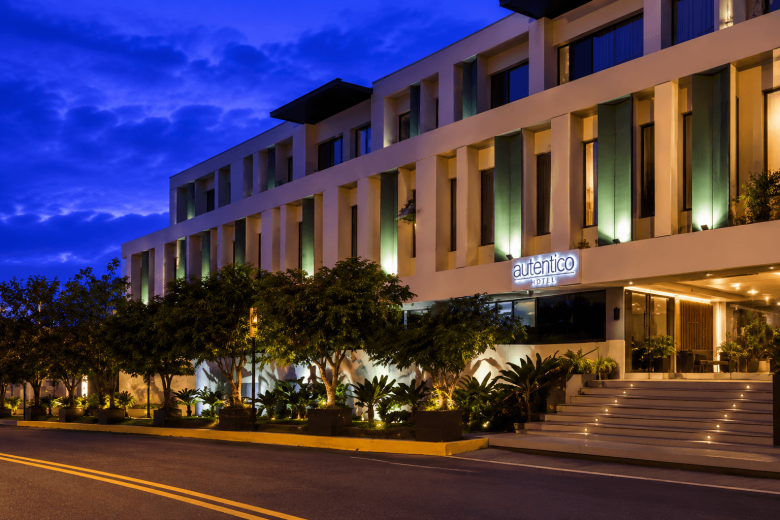
The museum is smaller than some national institutions, which is part of its appeal. You can enjoy a meaningful visit without committing an entire afternoon, then continue into La Sabana for a walk among the trees. For guests at Auténtico Hotel, this is a particularly convenient cultural outing from the Sabana Este area.
5. Museo de Arte y Diseño Contemporáneo
The Museo de Arte y Diseño Contemporáneo, often called MADC, is where San José’s creative present takes center stage. Located in the old National Liquor Factory complex, it presents rotating exhibitions by Costa Rican, Central American, and international artists. Expect conceptual work, video, installations, graphic design, and conversations that may be provocative rather than immediately familiar.
This museum is a good fit for travelers who prefer living culture to a traditional chronological collection. Because exhibitions change, no two visits are quite alike. Check the current program before going, particularly if you are planning around a temporary show, workshop, or public event.
6. Museo de los Niños
Families should make room for the Children’s Museum, a bright, energetic space inside the striking former Costa Rican Penitentiary. Its exhibits encourage children to touch, test, build, and ask questions, with subjects ranging from science and technology to Costa Rican culture and the human body.
The museum is designed for young visitors, but adults often enjoy the creativity of the setting as well. It can be busy on weekends, school holidays, and rainy afternoons, so an earlier visit generally offers more room to explore. The historic building creates an unusual contrast with the playful galleries inside.
7. Museo de Ciencias Naturales La Salle
Museo de Ciencias Naturales La Salle is a classic natural-history museum with the character of a long-standing scientific collection. Its displays include mammals, birds, reptiles, insects, shells, and geological specimens, many of them connected to Costa Rica’s exceptional biodiversity.
The presentation is more traditional than the interactive style of newer museums. That is a trade-off worth understanding before you go. Travelers who appreciate specimen collections, taxonomy, and the history of natural science will find it fascinating, while families with very young children may prefer pairing it with the more hands-on Children’s Museum.
8. Museo Dr. Rafael Ángel Calderón Guardia
Housed in the former home of President Rafael Ángel Calderón Guardia, this museum offers a quieter, more personal perspective on the country’s civic history. Calderón Guardia’s administration was central to major social reforms in the 1940s, including foundations for social security, labor protections, and public health.
The museum also serves as a cultural center, with exhibitions and events that can include art, photography, and historical programming. It is a rewarding choice for visitors who enjoy politics, architecture, or the stories behind Costa Rica’s social institutions. The residential setting gives the visit a different feeling from the larger downtown museums.
9. Museo del Ferrocarril de Costa Rica
Costa Rica’s railroad history helped shape how people, coffee, and commerce moved through the country. The Railroad Museum, associated with the historic Atlantic Railroad Station, preserves that connection through railway artifacts, historic spaces, and occasional special programming.
This is a worthwhile stop for transportation enthusiasts and travelers interested in the city’s industrial heritage. Access and programming can be more limited than at the major national museums, so confirm current opening times before making a special trip. When it is available, the station itself is a meaningful part of the experience.
10. Centro Costarricense de Ciencia y Cultura
The Centro Costarricense de Ciencia y Cultura brings several educational and cultural spaces together around the historic former penitentiary complex. In addition to the Children’s Museum, its broader programming may include science activities, performances, and community-oriented events.
It is especially useful for families or groups looking for an engaging indoor plan rather than a quiet gallery visit. Consider it a flexible cultural destination: the exact experience depends on the day’s schedule, the ages of your group, and which spaces are open to the public.
How to Plan a Museum Day in San José
Downtown San José works best when you group nearby stops. The Jade Museum, National Museum, and Pre-Columbian Gold Museum can form a satisfying cultural route, though completing all three in one day leaves little time for lingering. Choose two if you want to read the exhibits carefully and include a relaxed meal between visits.
For a calmer day, combine the Museo de Arte Costarricense with La Sabana Metropolitan Park. The setting invites an unhurried rhythm: museum galleries in the morning, a walk through the park, then lunch or a coffee before returning to your plans. This option is especially practical for travelers balancing meetings with a few hours of sightseeing.
Museum schedules, admission policies, special exhibitions, and holiday closures can change. Confirm details directly before you leave, and bring a card as well as some colones for transportation or small purchases. Comfortable shoes matter more than most visitors expect, since even a museum-focused day often includes walking across downtown plazas and sidewalks.
A museum visit in San José is not a box to check before heading elsewhere in Costa Rica. It is a chance to meet the ideas, artistry, and histories that continue to shape the country – then return to your evening with a richer sense of the place around you.

 English
  Spanish
  French