A successful gathering is rarely remembered for the spreadsheet that organized it. People remember whether conversations flowed, whether the meal arrived at the right moment, and whether someone was available when plans changed. That is where hotel catering versus restaurants becomes a meaningful decision, especially for business meetings, family celebrations, and group events in San José.
A restaurant can create a lively, memorable meal. Hotel catering can create a more coordinated event experience. Neither is automatically better. The right choice depends on the purpose of the gathering, the degree of privacy you need, the schedule your guests are keeping, and how much coordination you want to manage yourself.
Hotel Catering Versus Restaurants: The Core Difference
The most practical difference is that a restaurant is primarily designed around dining, while hotel catering is designed around an event. At a restaurant, the table, menu, and service are the center of the experience. At a hotel, food service can be planned as one part of a larger occasion that may also include a meeting room, presentations, guest accommodations, breaks, and time to continue conversations afterward.
For a small dinner with colleagues or a relaxed meal after a day in the city, a restaurant may be exactly what you need. Guests can arrive, enjoy the atmosphere, order from the menu, and leave with little advance planning. This works particularly well when flexibility and a local dining experience matter more than structure.
For a corporate retreat, training session, board meeting, or formal celebration, catering often makes the day easier to manage. The organizer has one setting for the agenda and the meal, and guests do not need to navigate traffic, parking, or a separate reservation between sessions. In a city where schedules can change quickly, that convenience has real value.
When a Restaurant Is the Better Choice
Restaurants are a strong fit when the meal itself is the occasion. A group of friends marking the end of a vacation, a couple seeking a relaxed dinner, or visiting colleagues who want to experience Costa Rican flavors may prefer the energy and choice of a restaurant setting.
The restaurant format also suits smaller groups that do not need dedicated space or a fixed timeline. Ordering individually can feel more personal when guests have different preferences, and the dining room atmosphere can add a welcome change of pace after a full day of meetings or sightseeing.
There are trade-offs. Restaurants operate around their own service rhythm, other diners, and table availability. A large group may need to work within a set menu or limited seating configuration. Conversations may be interrupted by a busy dining room, and presentation equipment, private remarks, or a tightly timed program may be difficult to accommodate.
A restaurant is often the best answer when your group wants an enjoyable meal without asking the meal to do the work of an entire event.
When Hotel Catering Makes More Sense
Hotel catering is especially valuable when food needs to support a schedule. Consider a morning meeting that requires coffee and breakfast before the first presentation, a working lunch between sessions, or an evening reception following a corporate gathering. Keeping these moments in one location gives the host more control and gives guests more time to focus.
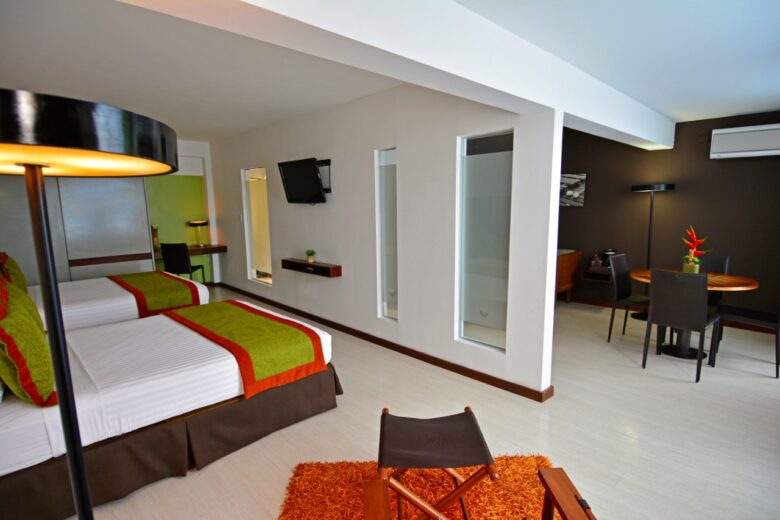
At Auténtico Hotel, event spaces and dining can be planned together for corporate gatherings ranging from small retreats to formal corporate occasions. That coordination is helpful for organizers who want attentive service without turning every transition into a logistical task.
This approach can be particularly practical for out-of-town attendees. Guests staying at the hotel can begin the day with the included breakfast buffet at Mastico Restaurant, served from 6:30 to 10:00 am, then move into their scheduled gathering without another commute. Complimentary symmetrical 500 Mbps WiFi throughout the hotel also supports teams that need to connect, share materials, or join remote participants during their visit.
Catering does not have to feel formal or standardized. A thoughtful event menu can reflect the energy of the occasion, whether that means an efficient coffee break, a polished business lunch, or cocktails that allow guests to stay and talk after the official agenda ends. The strongest plans leave room for both structure and hospitality.
Privacy, Timing, and Control
When comparing hotel catering versus restaurants, three questions usually clarify the decision: How private does the event need to be? How firm is the timeline? Who is responsible for keeping the day on track?
Privacy matters when a team is discussing sensitive business matters, conducting interviews, recognizing employees, or hosting a client presentation. A dedicated event setting provides more separation than a shared dining room. It also lets the group speak at a natural volume without competing with the activity around them.
Timing is just as important. A restaurant reservation may be perfect for an unhurried dinner, but a meeting agenda often needs precise transitions. Catering can be scheduled around breaks, arrivals, and presentations so that food supports the program instead of interrupting it. This is a practical advantage, not merely a matter of formality.
Control is where many organizers feel the greatest difference. With an event plan, the host can coordinate details in advance and spend more time with guests on the day itself. That does not mean every event needs a highly structured format. It means the structure is available when it helps.
The Guest Experience Beyond the Plate
Food carries the atmosphere of an event, but guests notice the full experience. They notice whether parking feels secure, whether they can get online quickly, whether there is a comfortable place to pause between sessions, and whether a team member is nearby to help.
For groups gathering near La Sabana and the Sabana Business Center, an urban hotel setting can reduce these small points of friction. Secure parking with 24-hour video surveillance is available at no additional charge, and a 24/7 team can assist as needs arise. These details are easy to overlook during planning, yet they help guests arrive with less stress and leave with a better impression.
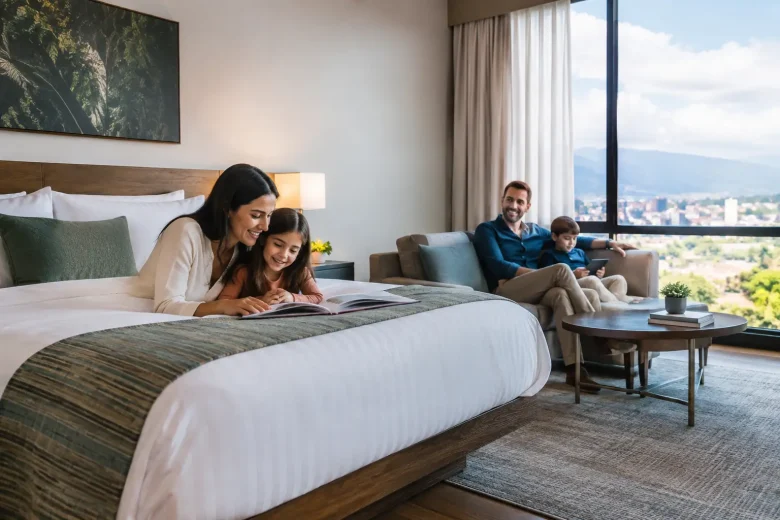
For leisure groups or family occasions, an on-site setting can also create more breathing room. Guests may enjoy time by the outdoor garden-surrounded pool, open from 9:00 am to 9:00 pm, before or after the planned portion of the day. The pool is unheated, so it is best considered a refreshing break rather than the centerpiece of every itinerary.
A restaurant may offer a distinctive culinary destination. A hotel event can offer continuity: a place to meet, dine, rest, and reconnect without scattering the group across the city.
Choose Based on the Occasion, Not Assumptions
It is easy to assume that a restaurant is more personal and catering is more formal. In reality, either can feel warm and memorable when it matches the occasion. A restaurant meal can become impersonal if the group is squeezed into an unsuitable table. Catering can feel genuinely welcoming when the menu, timing, and service are shaped around the people in the room.
For a simple decision, think about what must go right. If the priority is a great meal in a lively setting, reserve a restaurant. If the priority is bringing people together for a larger purpose, with food woven into the schedule, hotel catering is often the more dependable choice.
The best gathering leaves guests feeling cared for rather than managed. Start with the experience you want them to have, then choose the setting that gives that experience room to happen.